2026-11-05 ·
Textured Drywall Repair After a Leak: What to Expect
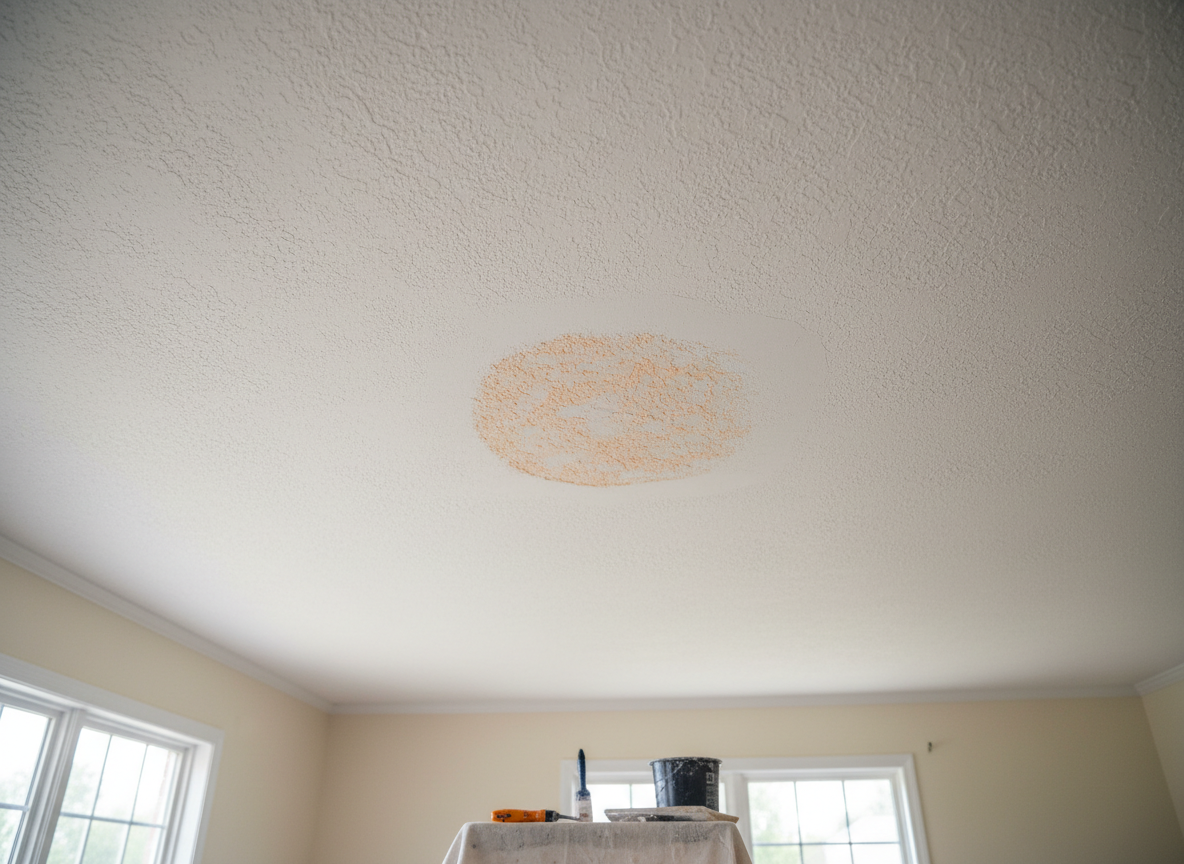
After a water leak, textured drywall repair in Columbus typically takes 5–10 days from initial assessment through final texture and paint, depending on the size of the affected area and how quickly the source is addressed. Homeowners in Franklin County often see delays in winter when frozen pipes in older stock homes burst, or in summer when heavy rains stress aging plumbing in neighborhoods such as Clintonville and Grandview Heights.
Assessing the Damage from Leaks in Columbus Homes
Water damage from leaks rarely stops at the surface. In homes built before 1960 across Short North, Bexley, and Olde Towne East, moisture travels behind plaster and lath, requiring moisture meters and infrared scans to map the full extent. A small ceiling stain near a second-floor bathroom can affect 4–6 feet of wall below once the drywall is opened. Technicians check for hidden saturation in insulation and base plates, especially in Franklinton and Hilltop properties where slab-on-grade construction and poor drainage allow water to wick upward. Proper assessment prevents callbacks and determines whether full panel replacement or targeted patching is needed. This step also identifies any secondary issues such as softened subfloors before they become larger structural concerns.
Matching Textures Common in Franklin County Housing Stock
Columbus neighborhoods feature distinct drywall textures that must be replicated for seamless repairs. Knockdown and orange-peel finishes dominate homes in Victorian Village and Linden, while some 1920s properties in German Village retain hand-troweled plaster textures. Matching requires test patches on scrap material using the same joint compound and tools the original installer would have used. Temperature and humidity swings in our humid continental climate affect drying times and final appearance, so repairs performed in July versus January demand different thinning ratios. Skipping this step leaves visible patches that stand out under the angled light common in living rooms and hallways. Skilled crews carry multiple texture guns and practice on-site to dial in the exact pattern before applying it to the repaired section.
Drying Protocols Before Texture Application
Drywall must reach 12–15% moisture content before new texture or paint is applied, or bubbling and mold will follow. In summer, dehumidifiers run 24 hours in sealed rooms to pull moisture from cavities in Upper Arlington and Worthington-style colonials. Winter jobs in areas like Reynoldsburg require supplemental heat to keep ambient temperatures above 65°F so drying does not stall. Water damage restoration crews place air movers at 45-degree angles to walls and monitor readings daily. Skipping this phase is the most common reason textured repairs fail within the first year. Once readings stabilize, crews apply a stain-blocking primer to any remaining water marks before texture begins.
Step-by-Step Repair and Timeline Expectations
The actual repair sequence starts with removing damaged sections, installing new 1/2-inch or 5/8-inch drywall, taping seams with fiberglass mesh, and applying multiple coats of compound. Texture is sprayed or hand-applied only after the compound has cured for 24–48 hours. In a typical 4-by-8-foot ceiling patch, the full process from demo to paint-ready takes 4–6 working days when weather cooperates. Larger jobs spanning multiple rooms in older Bexley homes can stretch to two weeks. Drywall replacement & repair teams coordinate with plumbers so the original leak source is fixed before walls are closed. Homeowners should plan for dust, limited access to the room, and temporary relocation of furniture during the sanding phase.
Preventing Future Issues After Repair
Once the textured patch is complete, addressing the root cause remains essential. Many Columbus leaks trace to galvanized supply lines that corrode after 40–60 years or ice expansion in uninsulated exterior walls during January cold snaps. How to Prevent Water Damage in Your Columbus Home outlines simple steps such as insulating pipes in crawl spaces and checking washing machine hoses annually. For properties in flood-prone zones near the Scioto, homeowners also review How Much Does Flood Damage Restoration Cost in Columbus, Ohio? to understand insurance implications. Regular inspections catch small drips before they reach drywall, preserving both the new texture and the home’s overall condition.